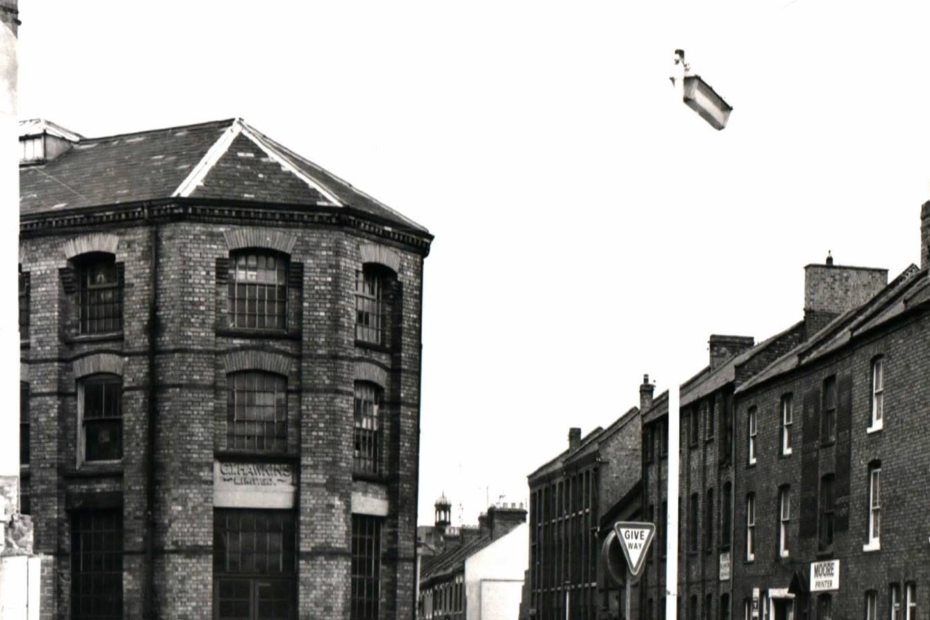
A house through time: 10 St Michael’s Road, Northampton
The story of 10 St Michael’s Road, Northampton. Who lived and worked there, and its connections with the early Labour movement
The story of 10 St Michael’s Road, Northampton. Who lived and worked there, and its connections with the early Labour movement
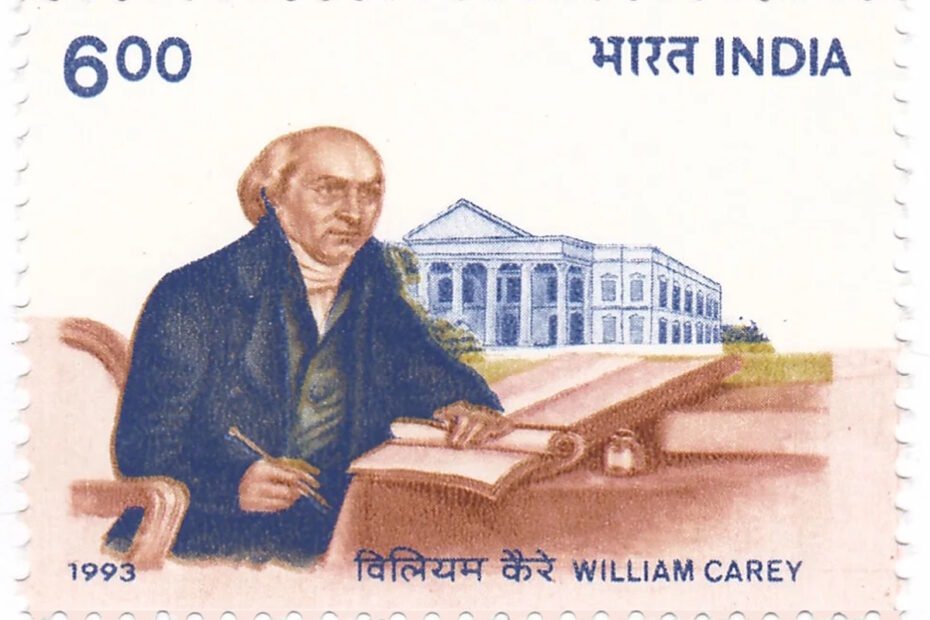
Today, William Carey is widely revered in India for his foundational role in the Bengali Renaissance and modern educational reforms, but there is more to… Read More »Who was William Carey?
Step back into one of the most defining moments of history and discover the powerful local stories behind D-Day. This brand-new book brings Northamptonshire’s wartime… Read More »Northamptonshire D-Day Stories from the Summer of 1944
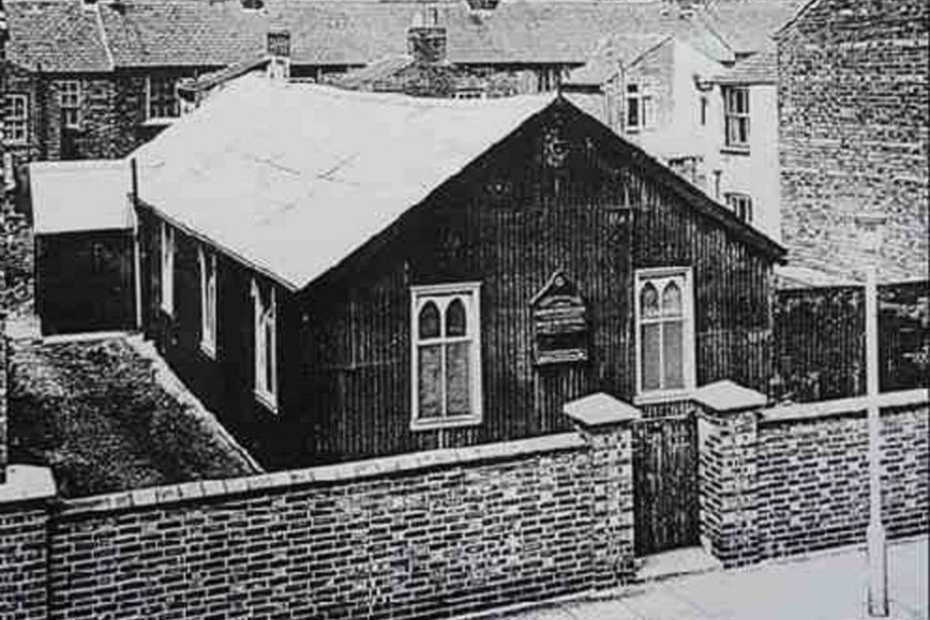
Prefabricated galvanised steel buildings were a popular solution for rapidly expanding churches in the late 19th and early 20th-century. The St Michael’s Road area of… Read More »Recycling Churches and Tin Tabernacles
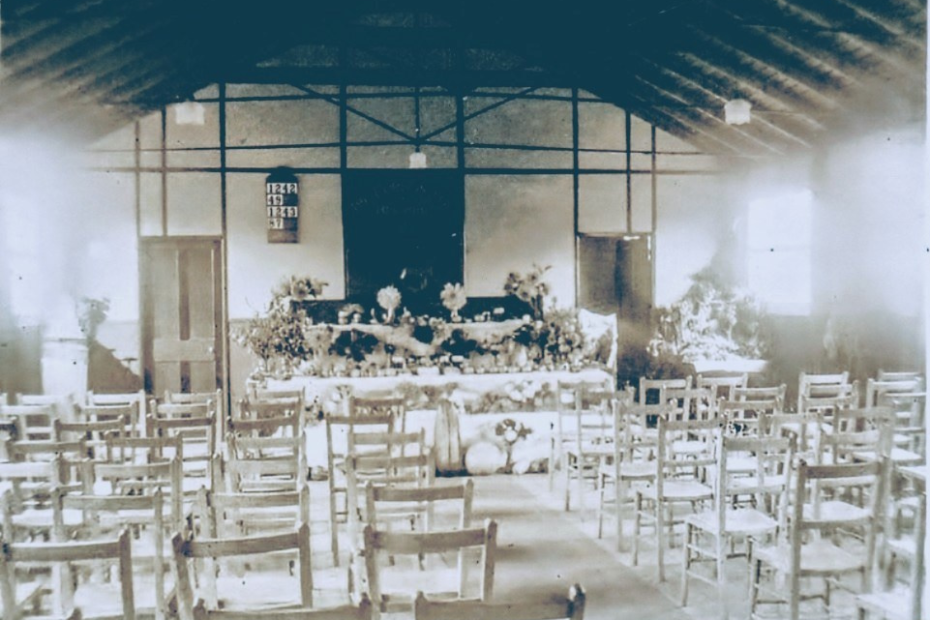
Exploring the story of the Kislingbury’s Idependent Mission church from 1931 to 2005, and how it started from a schism at the Baptist chapel.
Stephen Pickles’s Richard Davis and Revival in Northamptonshire offers a valuable exploration of nonconformist life beyond London in the late 17th and early 18th centuries.… Read More »Richard Davis and Revival in Northamptonshire – a review
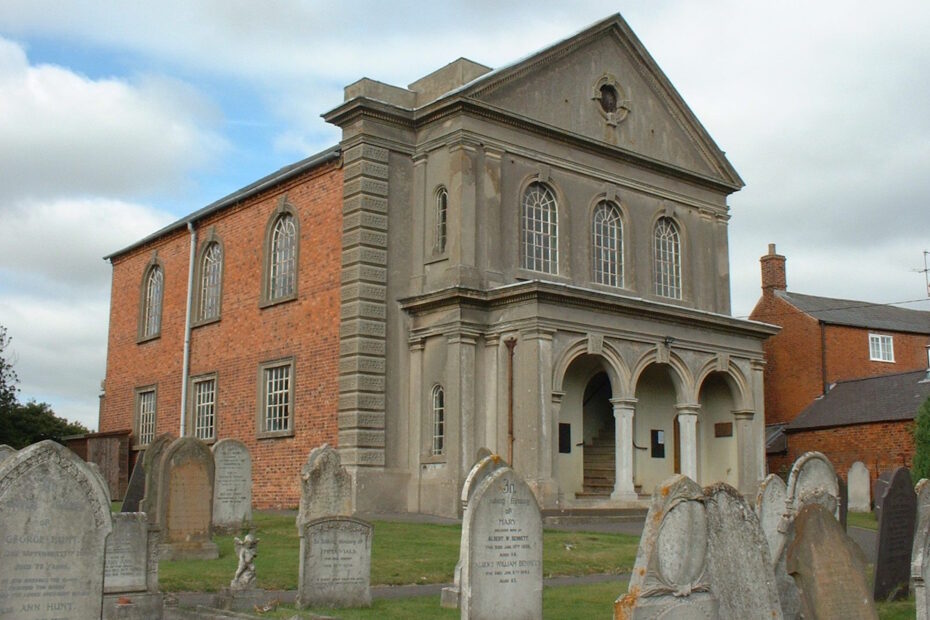
“Are you church or chapel?” It sounds like a small question today. But well into the twentieth century in England, it revealed a great deal… Read More »Church or Chapel?
Or pedigree collapse and the hidden web of shared ancestry. Not billions of strangers. But millions of shared forebears—ordinary people whose lives intertwined in ways… Read More »Why You Don’t Really Have a Billion Ancestors
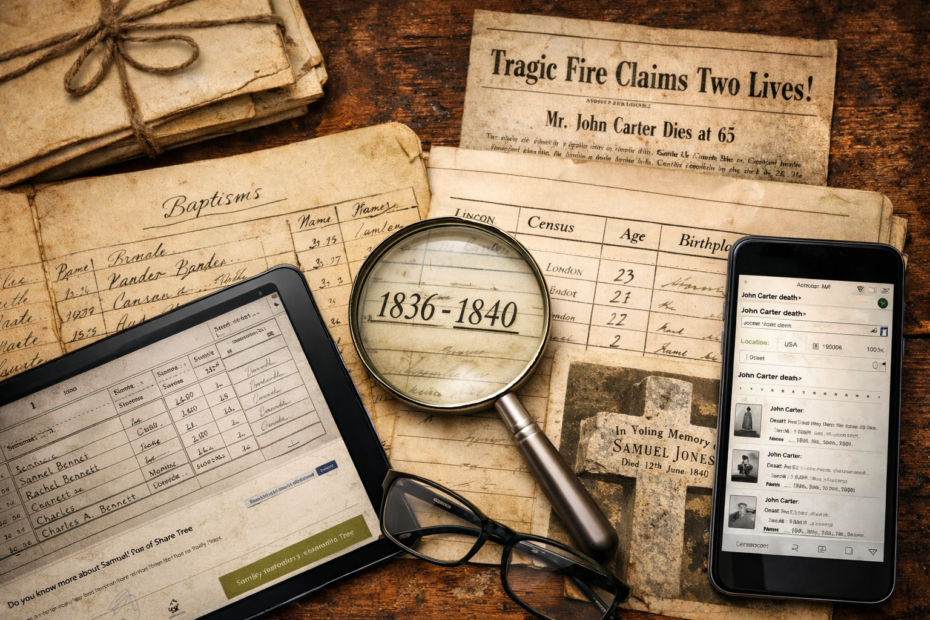
Fragments of the past: every record tells a story, but none tells the whole story Family historians (genealogists) are sometimes regarded with suspicion by “proper”… Read More »Why Doubt Your Version of History?
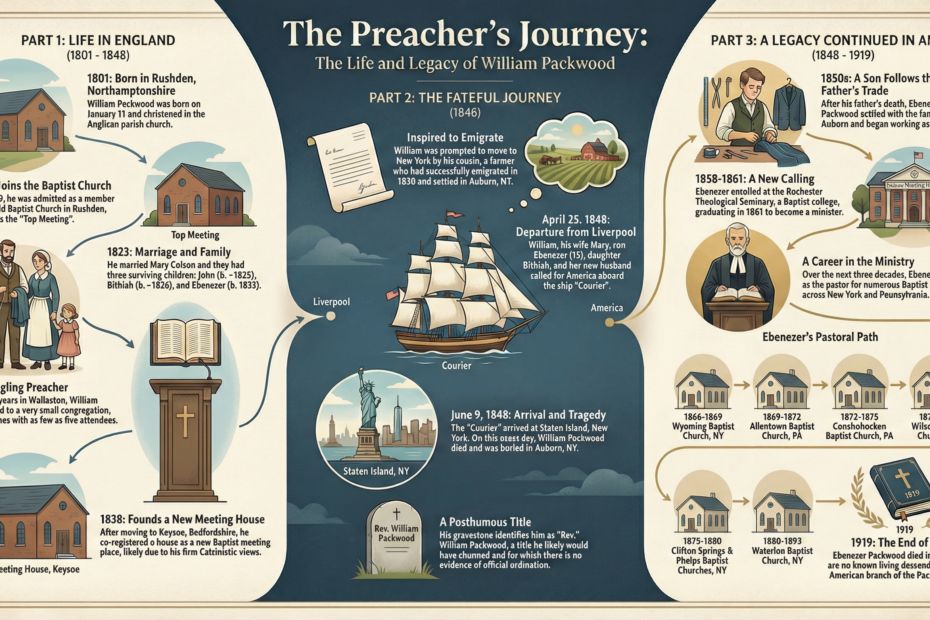
William Packwood was a tailor and Baptist preacher in Northamptonshire and Bedfordshire.